10 Local SEO Tips to Help Your Small Business Rank Higher on Google
Discover 10 proven Local SEO tips to help your small business rank higher on Google, attract more local customers, and grow your online visibility with practical strategies that work.
LOCAL SEO
The Importance of Local SEO for Small Businesses
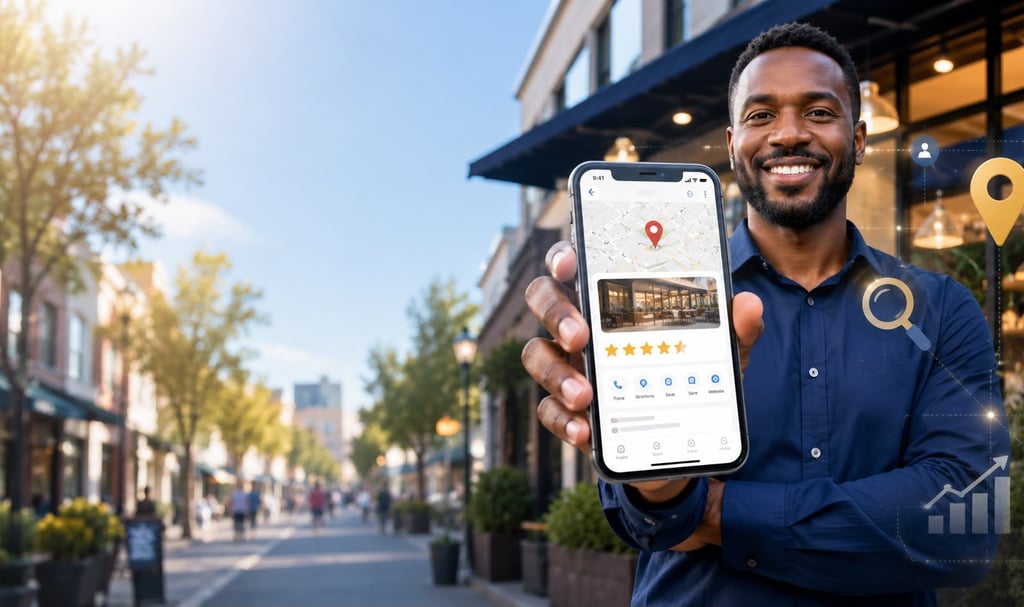
If you own a small business, your customers are already searching for the products and services you offer—they're just using Google to find them.
Whether someone needs a plumber, a real estate agent, a restaurant, or a web designer, the first place they usually look is Google Search or Google Maps. If your business doesn't appear in those results, you're likely losing potential customers to your competitors.
Local SEO helps your business become more visible when people search for services in your area. By optimizing your online presence, you can attract more qualified leads, increase website traffic, receive more phone calls, and grow your customer base without relying solely on paid advertising.
According to Google, 76% of people who search for something nearby visit a business within a day, and 28% of those searches result in a purchase. These numbers clearly show how powerful local search can be for small businesses.
In this guide, you'll discover ten practical Local SEO tips that can help your business rank higher on Google, attract more local customers, and build long-term online visibility.
Optimize Your Google Business Profile
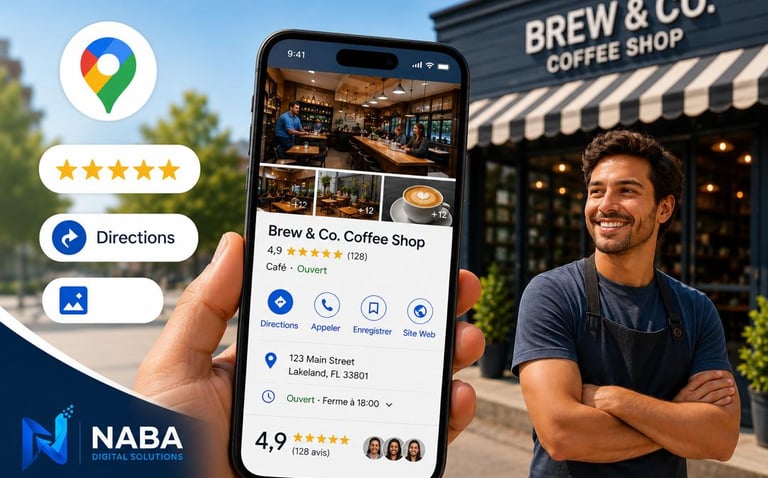
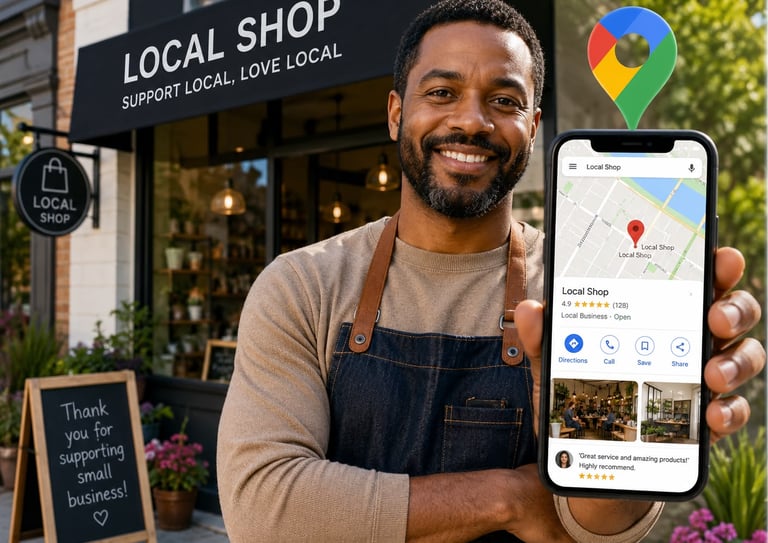
For small businesses looking to improve their local visibility, optimizing your Google Business Profile is one of the most important steps you can take. Your profile serves as a digital storefront, helping potential customers discover your business through Google Search and Google Maps. Make sure your business information—including your name, address, phone number, website, and business hours—is accurate, complete, and consistent across all online platforms.
To maximize your Google Business Profile, make sure you:
Complete every section of your profile.
Choose the most relevant business categories.
Add high-quality photos regularly.
Keep your business hours up to date.
Include your website and phone number.
Respond to customer reviews promptly.
Publish Google Business posts consistently.
High-quality photos also play a major role in attracting customers. Add images of your storefront, products, services, team, and completed projects whenever possible. Businesses with updated photos tend to receive more clicks, calls, and direction requests than those with incomplete profiles.
Want to learn more about creating and optimizing your Google Business Profile? Read our complete guide:Why Every Small Business Needs a Google Business Profile.
Regularly updating your profile is equally important. Share posts about promotions, special offers, new services, upcoming events, or changes to your business hours. Keeping your profile active signals to Google that your business is current and engaged, which can positively impact your local search rankings.
Don't overlook powerful features such as the Questions & Answers section and Google Reviews. Encourage satisfied customers to leave honest reviews, and always respond professionally to both positive and negative feedback. Active engagement builds trust with potential customers while strengthening your online reputation.
By maintaining a complete, accurate, and regularly updated Google Business Profile, your small business can improve its visibility in local search results, attract more qualified leads, and increase customer confidence.
Maintaining Consistent Business Information Across Online Directories
For small businesses aiming to harness the power of local search engine optimization (SEO), consistency in business information is a crucial element. This encompasses the basic details of your business, commonly referred to as NAP: Name, Address, and Phone Number. All three components must be accurate and uniformly represented across various online directories and platforms. Discrepancies in this information can lead to confusion for potential customers and can adversely affect your local search rankings.
When your business information is different across websites, Google may become less confident about which information is correct. For example, if your Google Business Profile shows one phone number but Facebook or Yelp displays another, potential customers may become confused, and your local search rankings could suffer. Keeping your business name, address, and phone number (NAP) consistent everywhere helps build trust with both Google and your customers.
To ensure your NAP information is consistent, start by checking major online directories such as Google My Business, Yelp, and Yellow Pages. Utilize tools like Moz Local or Yext, which can help identify inconsistencies across various platforms and provide solutions to rectify them. Additionally, you should periodically monitor not only these major sites but also niche-specific directories relevant to your industry.
Inaccuracies don’t just damage your rankings; they can also erode customer trust. A potential client who finds multiple phone numbers or addresses might question the reliability of your business and choose to engage with a competitor instead. This emphasizes the importance of regularly auditing your business listings and ensuring the information presented to your audience is accurate and trustworthy. By taking these proactive measures, small businesses can significantly enhance their local SEO efforts and improve their visibility in local searches.
Google Business
│
Website ─── Name • Address • Phone ─── Facebook
│
Yelp • Bing • Apple Maps
Encouraging Satisfied Customers to Leave Google Reviews
In today’s digital landscape, customer reviews have become a crucial factor in local SEO and reputation management for small businesses. When potential customers are considering their options, they frequently turn to online reviews to gauge the quality and reliability of a business. Positive customer reviews can significantly enhance a business’s visibility in local search engine results, influencing both rankings and consumer trust.
One effective strategy for obtaining reviews is to request them directly from satisfied customers. After a successful interaction, whether it be a completed service or purchase, businesses can tactfully ask customers to share their experiences on Google. This can be done in various ways; sending a follow-up email, providing a simple link on the website, or even verbal requests during in-person interactions are all viable methods. It is essential to make the process as easy as possible for customers by guiding them to the review page and providing straightforward instructions.
Here are a few simple ways to encourage more Google reviews:
Send a follow-up email after completing a project.
Share your Google review link by text message.
Add a "Leave a Review" button to your website.
Display a QR code in your office or store.
Thank every customer who leaves a review.
Never offer incentives in exchange for positive reviews, as this violates Google's review policies.
Moreover, leveraging positive feedback is vital. Businesses can showcase stellar reviews on their websites and social media platforms to build credibility and allure new customers. However, not all feedback will be positive. Addressing negative reviews constructively is equally critical. Responding promptly and professionally can demonstrate to both the dissatisfied customer and potential clients that the business values feedback and is committed to improvement. This proactive approach can turn a negative interaction into a positive one, ultimately fortifying the business’s reputation.
In essence, cultivating a strong base of customer reviews through strategic encouragement not only impacts local search rankings but also shapes the overall perception of the business in the marketplace. As such, small business owners should prioritize a structured approach to garnering and managing reviews as part of their local SEO strategy.
Use Local Keywords Throughout Your Website
The incorporation of local keywords into your website's content is a fundamental aspect of effective local SEO. Local keywords are phrases that include a geographic component, targeting potential customers in your immediate vicinity. For example, if you own a coffee shop in Austin, relevant local keywords might include "Austin coffee shop" or "best coffee in Austin." Using these terms increases the likelihood of appearing in search results when users enter queries related to businesses in your area.
To find relevant local keywords, begin by utilizing tools like Google Keyword Planner, which allows you to discover popular phrases that people search for in your locality. Furthermore, examining competitors' websites and using Google searches can reveal additional local keywords that are commonly used within your market. Look for long-tail keywords that reflect specific services or products. For instance, terms like "vegan pastries in Austin" or "organic coffee in Downtown Austin" can effectively capture niche audiences.
Placement of these local keywords should be strategic. Begin by incorporating them into critical areas such as the page title, meta descriptions, headers, and throughout the body content. However, it is essential to maintain a natural flow in your writing. Avoid keyword stuffing, which can detract from your content quality and lead to penalties from search engines. Instead, aim for a balance where keywords seamlessly fit into informative and engaging content.
Here are some examples of where to use your local keywords naturally:
Your page titles and meta descriptions
Headings (H1, H2, and H3)
Service page content
Image alt text
URLs when appropriate
Internal links
Calls-to-action
Example: Instead of writing "Professional Website Design," use "Professional Website Design in Tampa, FL" when it accurately reflects the area you serve.
Moreover, optimizing your images with local keywords in their alt texts can enhance visibility. Additionally, including a location-based call-to-action or mentioning local events on your website further signals relevance to search engines. In doing so, you not only improve your chances of ranking higher in local search results but also create a more personalized experience for users searching for services in their neighborhood.
Create Dedicated Location Pages for Multiple Cities
Creating dedicated location pages for each city your small business serves is an essential strategy to enhance your local SEO efforts. These pages are pivotal for improving your visibility in search engine results when potential customers look for services in specific geographic areas. By developing location-specific content, you not only cater to the local audience but also provide search engines with relevant data to better understand your business’s reach.
When crafting these dedicated pages, there are several key elements to include. First, ensure that each page has unique content tailored to the specific location. This can include localized services you provide, which should incorporate local keywords that potential customers may use. For example, instead of just stating "we offer landscaping services," specify "residential landscaping services in [City Name]." This specificity can significantly enhance your relevance in local search queries.
Next, consider adding testimonials from customers in that particular city. Positive reviews not only establish trust but also highlight your business’s connection to the community. Testimonials can serve as compelling social proof, encouraging potential customers to choose your services over competitors.
Additionally, including information about local events or landmarks can enrich your content and attract more local traffic. For instance, mention participation in community events or partnerships with local businesses. This shows your engagement in the local area, which can further bolster your local relevance.
Lastly, ensure that your location pages have accurate and consistent NAP (Name, Address, Phone Number) details and are optimized for mobile viewing. This guarantees that your audience can easily find and contact your business. By effectively implementing dedicated location pages, you improve your local SEO performance and enhance the overall online presence of your small business.
Improve Website Speed and Mobile Responsiveness
In today’s digital landscape, both website speed and mobile responsiveness are crucial for enhancing user experience and optimizing search engine rankings. A website that loads quickly not only retains visitors but also reduces bounce rates, which is favorable for local SEO ranking factors. Studies indicate that even a one-second delay in loading time can result in a significant decrease in user satisfaction and conversion rates. Therefore, optimizing your site for speed is essential for any small business aiming to succeed online.
To improve website speed, consider implementing techniques such as image compression, leveraging browser caching, and minimizing the use of large files. Tools like Google PageSpeed Insights can provide insights into potential performance issues and suggestions for improvement. Moreover, you can enhance speed by using content delivery networks (CDNs) that distribute your content across multiple geographically dispersed servers, ensuring faster access for users regardless of their location.
On the other hand, mobile responsiveness has become increasingly important due to the growing prevalence of smartphone use. A website that is not optimized for mobile devices can lead to frustrating experiences for users, resulting in a loss of potential business. Google also prioritizes mobile-friendly websites in its search rankings, making it imperative for small businesses to adopt a mobile-first approach.
To ensure your site is mobile-responsive, utilize responsive web design techniques that adapt your pages to fit various screen sizes seamlessly. Additionally, test your website on multiple devices and screen sizes to identify and fix any usability issues. Implementing clickable elements that are easily accessible and ensuring fast loading times on mobile devices will further enhance the user experience.
If your website is slow, outdated, or no longer generating leads, you may also find our guide helpful: Business Website Redesign: 10 Signs You Need a New Website.
By improving your website's speed and mobile responsiveness, you create a better experience for visitors while strengthening your local SEO performance.
Build High-Quality Local Backlinks
Backlinks serve as a crucial factor in determining the domain authority of a website, which in turn significantly influences local SEO performance. High-quality backlinks from reputable sources signal to search engines that your business is trustworthy and relevant within your community. This can lead to improved visibility in local search results, driving more customers to your business.
To build high-quality local backlinks, consider implementing a variety of strategies. One effective approach is guest blogging on local news websites or industry-related blogs. This not only allows you to showcase your expertise but also enables you to include a backlink to your site within the article. Ensure that the blogs you choose are reputable and have an engaged audience, as this can help enhance your own site's authority.
Here are some effective ways to earn local backlinks:
Join your local Chamber of Commerce.
Get listed in reputable local business directories.
Partner with nearby businesses for cross-promotion.
Sponsor local events, charities, or sports teams.
Write guest articles for local blogs or news websites.
Participate in community events that may generate local media coverage.
Another strategy involves forming partnerships with neighboring businesses. Collaborate on joint marketing initiatives or community events, and leverage each other’s online presence by exchanging backlinks. This method fosters community relationships and results in mutually beneficial promotion.
Engaging in local community events is also an excellent avenue for backlink acquisition. Sponsor a community fair, host workshops, or participate in charity functions. These activities often lead to mentions on local websites and news outlets, creating valuable backlinks while increasing your visibility in the community.
However, it is essential to avoid common pitfalls associated with low-quality backlinks. Focus on acquiring links from authoritative sites, as backlinks from spammy or irrelevant sources can harm your domain authority and negatively impact your local SEO efforts. Regularly audit your backlink profile to identify and disavow any harmful links that may lead to penalties from search engines.
Ask local suppliers, partners, and satisfied clients if they would be willing to feature your business on their website with a link back to yours.
Add Structured Data (Local Business Schema)
Have you ever noticed that some businesses appear in Google Search with star ratings, business hours, phone numbers, or other extra information? That's often possible because they use structured data, also known as Schema Markup.
Local Business Schema helps search engines better understand your business information, making it easier to display rich results that attract more attention and increase click-through rates.
Implementing local business schema is relatively straightforward. First, you need to select the appropriate schema vocabulary from Schema.org, which is a widely adopted framework for structured data. For local businesses, the "LocalBusiness" type is commonly used. After deciding on the key details to highlight, you can create the structured data markup using either JSON-LD, microdata, or RDFa formats. JSON-LD is the recommended format by Google for its simplicity and effectiveness.
Place the structured data code in the HTML <head> section of your web pages or before the closing </body> tag when appropriate.
The benefits of adding structured data are considerable. It not only helps search engines accurately index and display your business information but also enhances your appearance in search results through rich snippets. Such snippets can include star ratings, business hours, and other pertinent information, making your listing more attractive and informative, thus potentially increasing click-through rates. Properly structured data positively impacts local SEO performance and overall user experience, reinforcing the importance of this practice for small businesses aiming to thrive online.
Publishing Helpful Local Content Regularly
In today's granular digital landscape, maintaining a consistent output of helpful local content is crucial for small businesses aiming to enhance their local SEO. By regularly publishing relevant and engaging content, businesses can not only improve their search engine rankings but also establish themselves as trusted authorities in their locality. This practice fosters community connections and encourages customer loyalty.
There are various forms of content that can be beneficial for this purpose. Blog posts focusing on local events, such as fairs, festivals, and community gatherings, are an excellent way to engage with the community. Providing guides about local attractions, restaurants, or services can also attract local traffic to your website. For instance, creating an in-depth guide on the best parks in your area or a list of upcoming concert events can resonate with local residents and potentially drive foot traffic to your business.
Additionally, sharing tips that cater to the specific needs of the local audience can bolster your community-oriented presence. This can involve creating how-to articles related to your industry but specifically tailored to issues commonly faced by the residents in your area. For example, if you own a landscaping business, you could write posts about maintaining gardens that thrive in your local climate.
Consistency is key; a regular publishing schedule helps keep your audience engaged and informed. It not only improves the perception of your brand as a reliable source of information but also signals to search engines that your website is active, which can result in better local search visibility. Ultimately, by providing valuable and relevant information, small businesses can significantly enhance their local SEO efforts while fostering a stronger bond with their community.
Track Your Local SEO Performance
Monitoring the performance of your local SEO efforts is essential for understanding the effectiveness of your strategies and making necessary adjustments. Utilizing tools like Google Search Console and Google Analytics provides businesses with valuable insights into their local search visibility.
Google Search Console enables businesses to track metrics including impressions, clicks, and average position in search results specific to local queries. By examining these local search traffic metrics, you can identify which keywords are driving visitors to your website and how often your site appears in search results when users are looking for services in your area.
Focus on these key metrics to measure your Local SEO success:
Organic traffic from local searches
Google Business Profile views
Phone calls from Google Business Profile
Website clicks from Google Search and Maps
Direction requests
Keyword rankings for your target cities
Contact form submissions
Customer reviews and average rating
Reviewing these metrics every month will help you identify what's working, discover new opportunities, and make informed decisions to improve your local visibility.
Additionally, Google Analytics complements this data by offering deeper insights into user behavior once they land on your site. Key performance indicators to monitor on this platform include click-through rates (CTR), bounce rates, and conversion rates. CTR reflects the percentage of users who clicked on your local listing compared to the number of views it received, which can indicate the effectiveness of your title tags and meta descriptions in attracting local customers.
Conversion tracking is equally important, as it shows how well your website converts visitors into customers or leads. Setting up goals in Google Analytics allows you to measure local conversions accurately, such as form submissions, phone calls, or visits to your store from local searches.
In conclusion, consistently tracking these metrics will help you gauge the effectiveness of your local SEO efforts and refine your approach as needed, ensuring your small business remains competitive in local markets.
FAQs about Local SEO
Local SEO, or local search engine optimization, refers to the process of optimizing your online presence to attract more business from relevant local searches. Essentially, it is a subset of SEO that focuses specifically on targeting customers in a specific geographical area. This practice is especially crucial for small businesses that cater to local consumers, as it enhances visibility in local search results, Google Maps, and in local directories.
A common question about local SEO is, "How long does it take to see results?" While the timeframe can vary based on factors such as the competition in your industry and the quality of your optimization efforts, businesses typically start noticing improvements within three to six months. Factors that may influence this timeline include the current state of your website's SEO, the frequency of customer searches related to your business, and your strategy's consistency over time. Regularly updating your listings and engaging with customers can result in quicker gains.
Another frequent inquiry is about whether every small business truly needs local SEO. The answer is a resounding yes if your business serves a local audience. Local SEO allows you to target specific demographic groups within your region that are actively seeking your products or services. This targeting fosters a stronger connection with the community, increases foot traffic to physical locations, and enhances the likelihood of generating leads and sales. By utilizing local SEO strategies, small businesses can effectively compete with larger corporations that may dominate search rankings.
In essence, local SEO is an invaluable tool for small businesses aiming to establish a strong local presence and drive sales in their communities. By addressing these FAQs, we can clear up misconceptions and highlight the significance of local SEO in today’s digital landscape.
Take Action to Improve Your Local SEO Strategy
Local SEO isn't just about ranking higher on Google—it's about helping local customers find and choose your business. Every improvement you make, from optimizing your Google Business Profile to earning customer reviews and creating valuable local content, increases your chances of standing out in your community.
The best part is that you don't have to implement everything at once. Start with one or two of these strategies today, then continue improving your online presence over time. Small, consistent improvements often lead to significant long-term results.
Related Articles
Continue learning with these helpful guides:
📖 Why Every Small Business Needs a Google Business Profile
📖 Business Website Redesign: 10 Signs You Need a New Website
📖 Real Estate Website Design: How to Attract More Buyers and Sellers Online
If you are ready to take your local SEO to the next level, consider reaching out to Naba Digital Solutions. Our expertise in professional website design, Google Business Profile optimization, and comprehensive local SEO services can support your business in improving its online visibility and attracting more local customers. Taking action now can pave the way for future growth and success.